
Soil quality is a critical factor in the success of any construction project as its properties directly affect the stability of foundations and the safety of structures. To ensure that the required quality standards are met, a variety of soil top quality control tools are used which help specialists to accurately evaluate and analyze these properties.
These top quality control tools and techniques include specialized devices that are used to determine the physical and chemical properties of the soil, such as its resistance to pressure, density, moisture content, bearing capacity and other important indicators. Effective soil quality control tools also contribute significantly to reducing the risks associated with various construction projects. In this article, we will talk about the basic criteria followed for top quality control tools and some of the tools used in its examination.
Why do we need soil quality control?
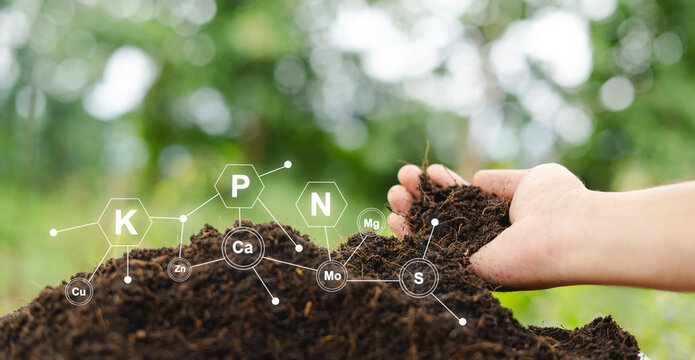
Soil quality control using specialized tools is necessary to help engineers and specialists make correct decisions regarding appropriate construction techniques and determine the necessary requirements for soil treatment or reinforcement. These top quality control tools also help to identify areas of high geotechnical risk to avoid them when constructing large structures, in addition to their role in reducing the overall costs of the project and minimizing potential future repair and maintenance expenses when building on soil with unsuitable properties.
Basic criteria for soil quality control
There are basic criteria that must be observed when controlling soil quality, the most important of which include the following:
- Checking the groundwater level in the soil to determine the moisture content and take necessary corrective actions if it is high in a way that affects the structure’s safety.
- Measuring the soil density and its bearing capacity to assess its suitability to support the expected loads from the structure according to the project requirements.
- Identifying the predominant soil type at the site and classifying it, in addition to analyzing its chemical composition to determine the most appropriate engineering methods to handle it.
- Evaluating the potential impact of weather and environmental factors, such as seasonal changes in moisture or the presence of harmful chemicals, on the soil properties in the project area.
- Measuring the pH of the soil, because this is important in assessing its potential aggressiveness towards building materials and taking the necessary protective measures to safeguard foundations.
Determining these criteria accurately requires the use of appropriate inspection and core quality tools, whether for measuring moisture, density, bearing strength, pH, or other properties which ensures that the correct measures are taken for the safety of the structures.
Top quality control tools

Types of quality tools used for soil quality control include the following:
- Nuclear Densometer: This is a one of top quality control tools as it is used to quickly measure soil density and moisture content on-site and it is widely relied upon in road and embankment projects to ensure that the required degree of compaction is achieved.
- Penetration Testing devices: Such as the Standard Penetration Test (SPT) or Cone Penetration Test (CPT) which are used to evaluate the soil’s resistance to penetration, estimate its density and bearing capacity and identify different soil layers which helps in designing foundations and selecting appropriate engineering measures.
- Moisture Content Meters: These are considered one of quality management tools in soil quality control, especially in compaction works like High Energy Impact Compaction (HEIC) as they measure the moisture percentage quickly and accurately to contribute to achieving the required density and ensure the stability and durability of soil layers.
- Field pH test kits: These simple kits are used to quickly determine the degree of soil acidity or alkalinity on-site which is important for assessing the potential impact of the soil on construction materials like concrete or metals.
Advanced laboratory tools for precise soil quality control

A range of advanced tools is used in laboratories to conduct precise tests for soil quality control and determine its engineering properties in detail. Among the most important quality management tools are:
- Mechanical Sieve Shaker: This is used with a set of sieves with standard openings to analyze the grain size distribution of the soil, meaning determining the proportions of different particle sizes that make up the soil which is a basic test for soil classification.
- Proctor Compaction Test apparatus: This is considered one of the quality tools list in controlling the quality of earthworks as it is used to determine the relationship between moisture content and dry density of the soil which helps in determining the maximum achievable dry density and the optimum moisture content required for it.
- Atterberg Limits test: This is a set of tests such as liquid limit, plastic limit and shrinkage limit performed on fine-grained soils to determine the moisture content at which the soil state changes from liquid to plastic to solid. These limits are used to classify the soil and estimate its engineering behavior.
- Triaxial Test Apparatus: This is considered one of the most accurate quality tools and techniques to determine the shear strength of various soil types such as cohesion and angle of internal friction under stress conditions that simulate reality which is essential in designing foundations, slopes and retaining walls.
The role of data analysis tools in soil quality control
The analysis of data resulting from soil quality control tests, using specialized software and statistical methods, plays a pivotal role for engineers. It enables them to interpret results related to physical and mechanical properties such as density, bearing capacity and permeability and identify potential risks which helps in making informed engineering decisions to address problems such as excess moisture or weak bearing capacity and select appropriate soil improvement techniques to ensure the stability of structures and extend their lifespan.
Common challenges in using soil quality control tools and how to overcome them
There are some common challenges when using top quality control tools, the most prominent of which are:
- High Cost: The cost of purchasing some advanced equipment or conducting laboratory tests can be high which affects the project budget. This can be overcome through prior financial planning and selecting only necessary tests or contracting with laboratories that offer competitive prices and accredited quality.
- Need for Expertise and Training: Operating some tools and interpreting their results requires technicians and workers who are sufficiently trained to ensure the accuracy of results and avoid operational errors. This is overcome by providing continuous training and utilizing experts and specialists in this field.
- Sample Representativeness: A single sample or a small number of samples may not accurately represent the soil properties across the entire site, due to the natural variation in soil properties from one place to another. This is overcome by taking a sufficient number of representative samples from different locations and depths according to a well-thought-out plan.
- Temporal and Environmental Changes: Soil properties may change over time or with changing environmental conditions such as seasonal groundwater levels which could make test results inaccurate if these changes are not considered. This can be overcome by conducting additional tests when needed or taking these changes into account during analysis and design.
- Equipment Calibration and Maintenance: Failure to perform regular calibration and maintenance of the devices can lead to inaccurate results. To overcome this, regular maintenance and calibration programs must be adhered to according to manufacturers’ recommendations and approved standards.
How to choose the top quality control tools for soil quality control?

Choosing the top quality control tools for soil quality control depends on several factors related to the project requirements, the most important of which are:
- The expected soil type and its initial characteristics as the suitable tools and tests differ for each type.
- The nature of the engineering project, its phase and the required accuracy level for the data.
- The available budget for the project and the availability of the necessary equipment and expertise to operate it and interpret its results correctly.
FAQs
What is the best tool to take a soil sample?
Various tools are used for sampling depending on the soil type, required sample depth and its nature. These include Push Samplers, Hammer Samplers, Augers and Bucket Augers, all of them are top quality control tools.
How do I make a QC checklist?
Preparing a checklist for monitoring and controlling soil quality involves identifying drilling locations or sampling points and depths, determining the types and number of samples required, specifying the necessary field and laboratory tests, analyzing the results and comparing them with approved specifications and documenting all procedures and results in a comprehensive technical report.
What is QC format?
Quality Control format refers to the set of procedures and tests that are applied during execution for documenting and reporting quality control processes, findings, and results. The correct use of top quality control tools is essential to ensure the safety of foundations and structures which contributes significantly to increasing the building's lifespan and enhancing its strength and stability in the long term.