
Soil testing Al-Ahsa is considered an essential step for examining soil properties and determining its suitability for agriculture in this region. This testing helps in understanding soil fertility and its needs for fertilizers and nutrients, which contributes to improving agricultural production and increasing its efficiency. By conducting a series of accurate analyses, farmers can make decisions based on scientific data to improve crop productivity and increase the utilization of available resources.
Agricultural soil testing Al-Ahsa
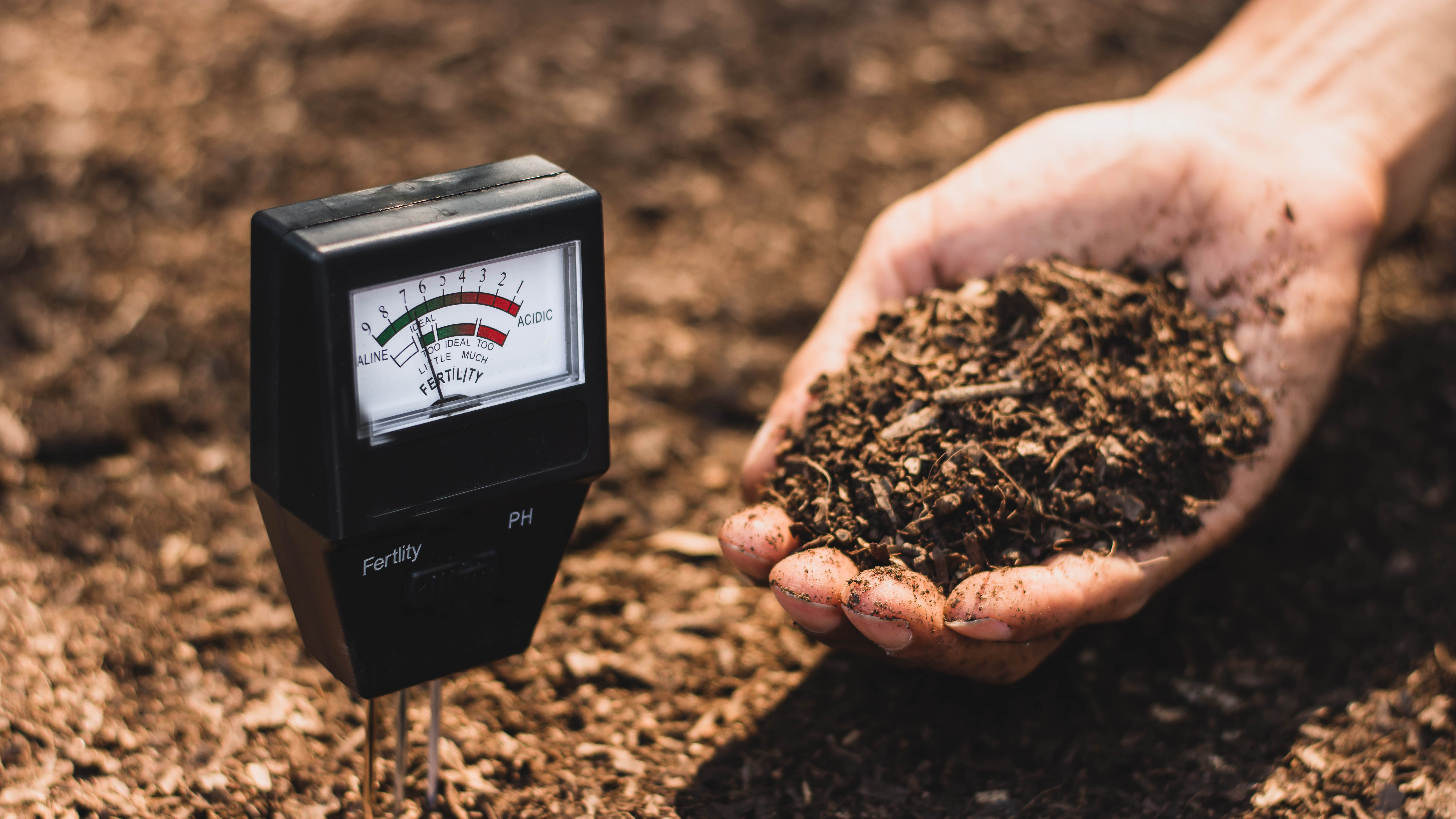
Soil testing Al-Ahsa is a scientific soil analysis process that aims to evaluate soil properties to determine its suitability for agriculture. This includes examining soil components such as pH level, salinity, and organic matter, in addition to measuring essential nutrients like nitrogen, phosphorus, and potassium. This testing helps determine the soil’s fertilizer needs and provides recommendations for improving land quality and increasing agricultural productivity in the region.
Soil tests in Al-Ahsa are considered essential quality tools that farmers rely on to examine soil properties and determine its suitability. Through these tests, accurate information is obtained about acidity, salinity, nutrients, as well as other soil characteristics that directly affect the success of agricultural crops. These tests help improve the efficiency of using agricultural resources, such as fertilizers and water, which contributes to increasing agricultural productivity and avoiding costly mistakes.
Criteria and types of soil testing Al-Ahsa

Soil testing Al-Ahsa is essential for assessing the suitability of soil for agriculture. By determining these properties, farmers can improve agricultural land management and identify the soil’s needs for fertilizers and water, which contributes to improving crop yield and quality. There are different types of soil tests, including:
- Acidity test (pH): The level of acidity or alkalinity in the soil is measured to determine whether the soil is acidic or alkaline which is crucial for knowing the plants’ ability to effectively absorb nutrients.
- Salinity test: This is used to measure soil salinity by determining electrical conductivity (EC). Salinity is considered one of the factors affecting plant growth in the Al-Ahsa region, especially in areas affected by irrigation from saline groundwater.
- Nutrient test: The soil is analyzed to determine the levels of essential nutrients such as nitrogen, phosphorus, and potassium. These elements are necessary to ensure proper plant growth and must be balanced for optimal production.
- Texture test (Particle size analysis): This test aims to determine the proportions of sand, silt, and clay in the soil to know the soil’s ability to retain and drain water which determines the type of crops suitable for cultivation in the area.
- Organic matter test: This test measures the amount of organic matter in the soil which is an essential component for improving soil fertility. Organic matter enhances the soil’s ability to retain water and provide nutrients to plants.
- Water drainage test: Through this, the soil’s ability to drain water effectively is measured which helps determine its irrigation needs and the soil’s suitability for cultivation under a specific irrigation system.
- Bulk Density test: This test aims to measure the density of the soil to determine its compactness and how that affects root growth and the soil’s ability for aeration and water drainage.
Steps for conducting soil testing Al-Ahsa
Conducting soil examination and testing in Al-Ahsa is considered a fundamental step to determine soil properties and understand its suitability for agriculture. This examination helps in making informed scientific decisions regarding fertilizers, irrigation, and the most suitable crops for cultivation in the region. The steps for examination are:
- Collecting samples from several locations in the field to ensure comprehensive representation of all land areas.
- Drying and crushing the samples if they are wet or cohesive.
- Analyzing soil components for nutrients such as nitrogen, phosphorus, and potassium.
- Measuring the acidity level using specialized laboratory tools.
- Measuring electrical conductivity to determine the salinity level in the soil.
- Examining soil texture to determine the proportions of sand, clay, and silt.
- Determining the percentage of organic matter which affects soil fertility.
- Analyzing the results which are translated into practical recommendations on how to improve the soil.
Signs of good quality soil

Good quality soil is considered to contain high fertility, meaning it contains essential nutrients like nitrogen, phosphorus, and potassium. Good soil is also characterized by a good structure that allows for good aeration and proper water drainage to enhance oxygen access to plant roots and prevent excess water accumulation.
Additionally, it is capable of retaining water in a balanced way to provide plants with sufficient moisture during dry periods. Good soil also contains a balanced ratio of sand, clay, and silt, which enhances its ability to drain and retain water.
The pH level in the soil is within the ideal range for most plants and usually ranges between 6 and 7.5 to facilitate nutrient absorption.
Importance of soil tests in improving agricultural production in Al-Ahsa
Soil testing Al-Ahsa plays an important role in improving its agricultural production by providing accurate information about soil properties. It’s importance includes:
- The tests help in knowing the level of nutrients such as nitrogen and phosphorus, which contributes to using fertilizers more efficiently.
- Through the tests, the acidity level in the soil can be known and adjusted to improve nutrient absorption.
- The tests help determine the soil’s ability to retain and drain water which contributes to improving irrigation techniques.
- They help determine the suitable crop types by analyzing the soil composition, the agricultural varieties that suit the soil and achieve the highest productivity are identified.
- They contribute to reducing agricultural costs by providing accurate recommendations regarding fertilizers and water, farmers can reduce costs associated with agriculture.
- Improving soil fertility based on test results helps enhance plant growth and increase productivity sustainably.
Read also about Soil stabilization for foundations and its importance for agriculture.
Challenges facing soil testing Al-Ahsa

Despite the importance of soil testing Al-Ahsa in improving agricultural production, there are several challenges that may face the effective implementation of these tests. Among these challenges are:
- Soil types in Al-Ahsa vary greatly from one area to another which makes it difficult to collect samples that accurately and comprehensively represent the soil.
- High levels of soil and water salinity in some areas may affect test results and increase the difficulty of correctly analyzing the soil and interpreting the results.
- The scarcity of specialized laboratories and centers for conducting soil tests according to approved standards in some areas may lead to delays in analysis results and their unavailability in a timely manner.
- Improper sampling methods or sampling from inappropriate depths can affect the accuracy and representativeness of the results for the field.
- Climate fluctuations such as high heat and drought may affect soil properties and change test results over the long term.
Soil testing Al-Ahsa is considered a vital tool for improving its agricultural production by providing accurate information about soil properties and needs. This examination helps in making scientific and informed decisions regarding the management of agricultural resources such as fertilizers and water, which leads to soil improvement, enhancing crop quality and increasing productivity sustainably.
FAQs
Which month is best for soil-testing?
It is preferable to conduct soil testing during the fall or spring periods as the soil during these times is more biologically and chemically stable, and more accurate and reliable results can be obtained for planning the next agricultural season.
What are the factors of soil sampling?
The influencing factors that are examined include soil texture, pH level, salinity level (EC), organic content, the soil's water retention capacity, and the essential and micronutrients available to the plant.
How to check soil quality?
Soil quality is verified by examining its fertility, pH level, its ability for water drainage and aeration, salinity level, and comparing these properties with the ideal requirements for the crops intended for cultivation.