
Soil stabilization is among the main concerns of the construction of civil engineers, mainly in the modern era, when the projects are very large in infrastructure. The lands that are weak and that have low stability can result in different expensive problems like settlement, cracking, or even the breakdown of the construction itself.
Engineers use various soil stabilization methods and materials for the purpose of increasing the soil’s engineering properties and thus reducing the risks associated with the settlement of the foundation, etc.
Throughout this manual, efficient ways of soil stabilization, the materials, the road construction aspect, and the popular methods, such as mechanical and cement soil stabilization, are presented in a detailed way.
What Is Soil Stabilization?

Soil stabilization refers to the process of modifying the soil’s physical properties in order to increase its strength, load-bearing capacity, durability, and resistance to erosion. It is widely used in the fields of building foundations, roadways, airports, and embankments.
From a wide range of soil stabilization methods and materials available on the market, engineers particularly choose those that fit the type of soil, project requirements, climate, and can be maintained within the budget. Such methods may include soil stabilization methods that are within the boundaries of mechanical, chemical, and biological applications.
Importance of Soil Stabilization in Road Construction
Road construction is the most frequent place where the phenomenon of soil stabilization occurs. In several cases of road failure, it is the poor soil that moves up and disturbs the covering, causing pavement damage and excessive maintenance needs.
Below are some reasons pointing out soil stabilization methods in road construction and their benefits:
- Enhance the load-carrying capacity being carried
- Make the thinnest of roadways compared to others
- Get better waterproofing ability
- Make the road live longer
When deciding on very appropriate soil stabilization methods and materials for the roads, rural or highways, the issue of long-term durability is the most difficult.
Types of Soil Stabilization
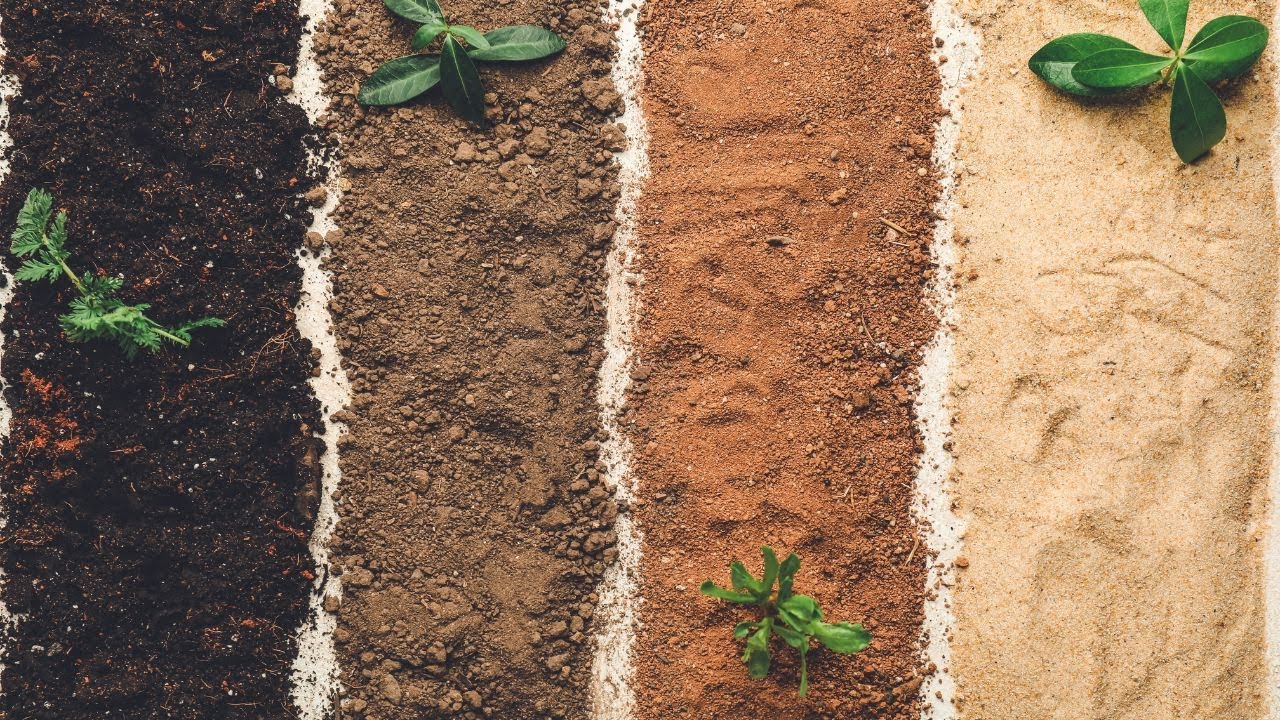
There are different types of soil stabilization, each suitable for various soil conditions and engineering goals. Simply, they can be grouped as:
A. Mechanical Stabilization
- It is about making the soil compact, which is only the physical modification of the soil by the addition of other materials or compaction.
B. Chemical Stabilization
- It is when you change the properties of the soil by using chemical agents like lime, cement, or bitumen.
C. Biological Stabilization
- Concerning the use of natural human beings or other living organisms to make the soil more consistent.
Of these, mechanical stabilization of soil and chemical soil stabilization are the most popularly used in civil engineering projects.
Mechanical Stabilization of Soil
Soil Stabilization Methods and Materials is one of the oldest and simultaneously simplest strategies. It involves the physical alteration of the soil by:
- Undertaking mixing with aggregates, such as gravel, sand
- Applying compaction to the soil via rollers or vibratory machines
- Carrying out blending of the soil with different types of soil to get the expected properties
Applications:
- Road subgrades
- Embankments
- Runway foundations
This method is also environment-friendly and cost-efficient in terms of not using any chemicals.
Cement Stabilization of Soil
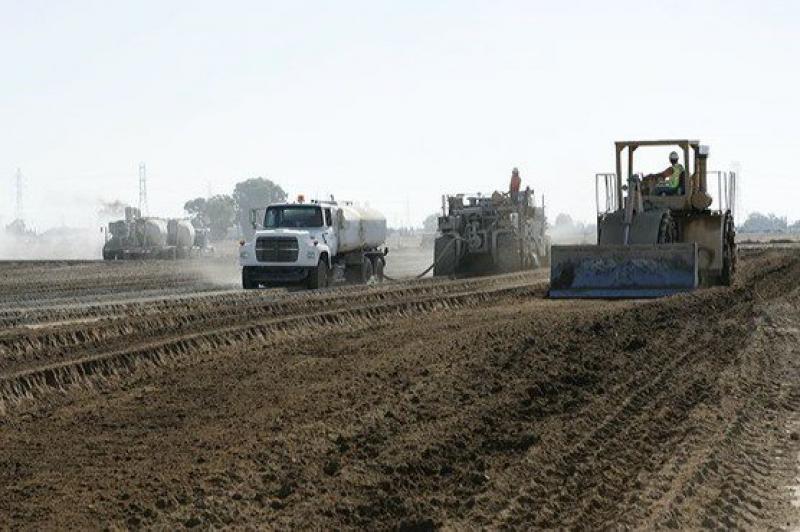
Cement stabilization of soil is a technique that involves adding Portland cement to the soil and mixing it to form a tightly knit and hard mass. The process itself leads to hydration reactions, which are responsible for the interlocking of the soil particles.
Benefits:
- Raises compressive strength
- Lessens plasticity
- Improves water resistance
Suitable Soils:
- Silts
- Clays with low organic content
One of the areas where the method of soil stabilization is applied in the construction of roadways, with subgrades under heavy traffic loads needing these kinds of properties, is soil stabilization in road construction.
Chemical Soil Stabilization
Chemical stabilization of soil is based on the introduction of one of the following types of chemical agents:
- Lime (for high-plasticity clays)
- Fly ash
- Bitumen (for sandy soils)
- Polymers and resins
Advantages:
- Performance improvement according to expectations
- Setting within
Common Soil Stabilization Materials
A range of Soil Stabilization Methods and Materials are used depending on the technique and soil conditions:
| Material | Use Case | Notes |
| Cement | Rigid pavements, roads | High strength, but can crack in dry climates |
| Lime | Clay stabilization | Increases workability and reduces plasticity |
| Bitumen | Moisture-sensitive soils | Adds waterproofing and flexibility |
| Fly Ash | Waste utilization | Works well with lime in pozzolanic reactions |
| Polymers | Environmental stabilization | Expensive but effective in sensitive areas |
| Geosynthetics | Reinforcement and separation | Often used with other materials |
The correct selection of soil stabilization materials plays a key role in the success and longevity of the project.
Methods of Soil Stabilization in Road Construction
Here are the methods of soil stabilization in road construction that are the most commonly used:
- Lime stabilization: TIt he most suitable for clay soils; it facilitates the work and reduces swelling.
- Cement treatment: The creation of strong base layers for roads.
- Bituminous stabilization: Water resistance is improved.
- Mechanical compaction: Usage in soil types that are non-cohesive or granular to increase the density of the soil.
A combination of methods is a common approach among engineers. Engineers may use different stabilized soils and other materials to reach the most efficient solution.
Innovative Techniques in Soil Stabilization

Introducing newer soil stabilization techniques has been possible due to the development in materials science and the rising concern for the environment:
A. Enzyme Stabilization
- Organic enzymes play a critical role in the enhancement of the bond and water resistance properties.
B. Microbial Induced Calcite Precipitation (MICP)
- The precipitation of calcite caused by bacteria leads to an increase in the strength of the material.
C. Nano-materials
- Nano-SiO2 or Na-mont in the interparticle bonds shows the way of the process of enhancing particle bonding.
These technologies have been tried and are yet to be approved, as they can significantly reduce chemical soil stabilization and its negative environmental impact.
Environmental and Economic Considerations
Even though soil stabilization methods and materials can provide many advantages, it is important to keep the following in mind:
- The environmental dangers of chemical supplements.
- Durability and long-term amounts of money
- Cost-benefit ratio
- Availability of materials locally
For example, the use of the cement-stabilization technique can lead to a considerable increase in the soil bearing capacity, and still, that method might not be suitable in areas with wide temperature fluctuations, as it may lead to the soil becoming brittle and lead to a situation of cracking.
Conclusion:
Choosing the appropriate soil stabilization methods and materials is the first step that is a must to ensure safe, long-lasting, and profitable construction. The techniques are now wide and varied, allowing for the tailor-made solutions to be provided, which will fit almost all the soil challenges, i.e., from mechanical stabilization of soil to the use of advanced chemical soil stabilization agents.
Recognizing the fundamental road construction process and the use of different stabilizing agents like lime, cement, and polymers would be of great help to establish a road construction project.
Integrating best practices and materials, the engineers will be able to greatly improve the load-bearing capabilities of the weak sands and, as a result, extend the service life of infrastructure projects.
Anyone dealing with the construction of buildings and particularly so in problem soil areas who has in-depth awareness about soil stabilization methods and materials can be said they be not only reaping the benefits of it but also are more likely to complete the job. That is why it’s not just about being smart, the industry must be up.
Frequently Asked Questions (FAQs)
What is the best method for stabilizing clay soil?
Lime stabilization is the most common method for clayey soils, as it causes a reduction in plasticity. This is the best way to modify the soil if the plasticity of the soil needs to be decreased. On the other hand, the soil can be mixed with cement to increase its strength.
Can I use multiple soil stabilization materials together?
Definitely. Blending lime with fly ash or cement with geosynthetics to make hybrid materials according to site characteristics is a tradition, not a surprise.
How long can soil stabilization last?
When designed and applied correctly, stabilized soils can remain in a stable condition for a long time, such as cement stabilization or the use of chemical binders, which can go on for several decades.
Is mechanical soil stabilization environmentally safe?
Yes. This is a soil Stabilization Methods and Materials that cause no harm with the aid of chemicals, and hence among the most eco-friendly techniques.
What are the drawbacks/challenges of chemical soil stabilization?
They are the following: The moisture sensitivity during the application The possibility of chemicals leaching Comparatively higher cost than mechanical methods Always consult a geotechnical engineer to select the best types of soil stabilization for your project.