
Micro piling is one of the most important methods for enhancing the stability of structures. It is mostly used in weak, cohesionless soil. This technique involves inserting columns of solid materials into the ground, which helps distribute loads correctly and reduce some risks associated with collapses. These piles are a preferred option in many construction projects, leading to their widespread use recently. In this article, we will discuss micro piling, its types, implementation method, and when it is used.
What is Micro Piling?
Micro piling is one of the most widely used methods to enhance ground strength before construction, especially in weak, cohesionless soils that cannot bear loads when large projects need to be established. It is named this due to its small size, with its diameter typically ranging between 10 to 30 cm.
This method involves using a strong steel casing to help provide a suitable structure to support foundations. This technique can be used alone or integrated with other technologies, especially in large and complex projects. It can be used alone in sites that are difficult to access with heavy equipment.
Types of Micro Piling in Saudi Arabia
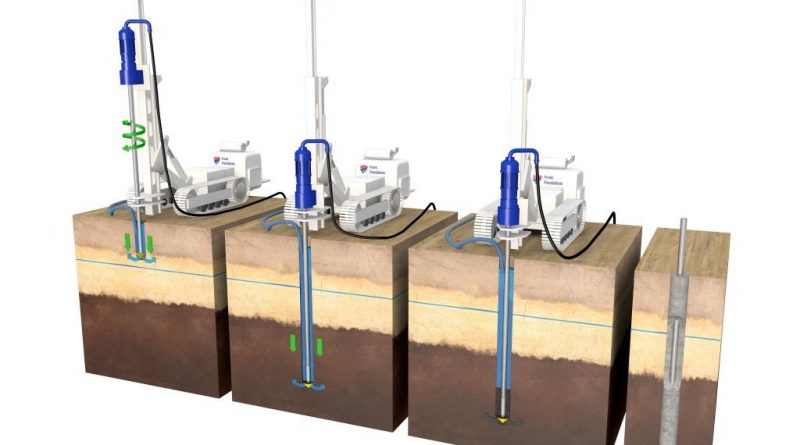
The micro pile design varies, and this difference is mostly due to the existence of different types of micropiles according to the soil type. Among the most important types of micro piling in Saudi Arabia are:
- Type A: Used in rock, where a sand or cement grout is placed and drawn down under the effect of gravity.
- Type B: Micropiles are constructed, then injected with cement under specific pressure, after which the drilling casing is withdrawn.
- Type C: Piles are injected like Type B, then injected with another material under pressure about a quarter to half an hour after the first injection.
- Type D: Small piles are injected in a manner similar to Type C, but the primary grout is allowed to harden before the secondary grout is injected.
- Type E: This involves shear penetration of the ground by constructing micropiles using a steel reinforcement bar, into which grout is injected.
Method of Implementing Micro Piling
Micro piling is implemented by following these steps:
- The specialized engineer analyzes the soil at the construction site to determine the optimal depth for foundation works and select the appropriate soil support method.
- Small-diameter holes are drilled into the ground to reach the specified depth using drilling tools and equipment.
- A micro piling rig inserts the steel reinforcement bar into the hole.
- This bar is filled with high-strength materials that help increase the soil’s strength and stability.
- Tests are conducted to ensure that the installed micropiles meet specifications and comply with all regulatory standards and safety rules.
- This method can be integrated with other soil modification techniques, especially in complex projects.
When Do We Use Micro Piling?
Micro piles foundations can be used in many applications:
- For some structures with light loads, such as electricity towers and lighting towers.
- Underpinning some old structures, such as old historical buildings.
- Narrow sites that are difficult to access using heavy tools and equipment.
- Used around some structures to reduce groundwater levels, especially in highly humid places where groundwater affects the integrity of structures.
- Supporting bridges, highways, and many civil engineering works.
- Also widely used in areas constantly exposed to earthquake risks.
- It can also be used in areas overlooking waterfronts to further strengthen the foundation of structures.
Advantages and Disadvantages of Micro Piling
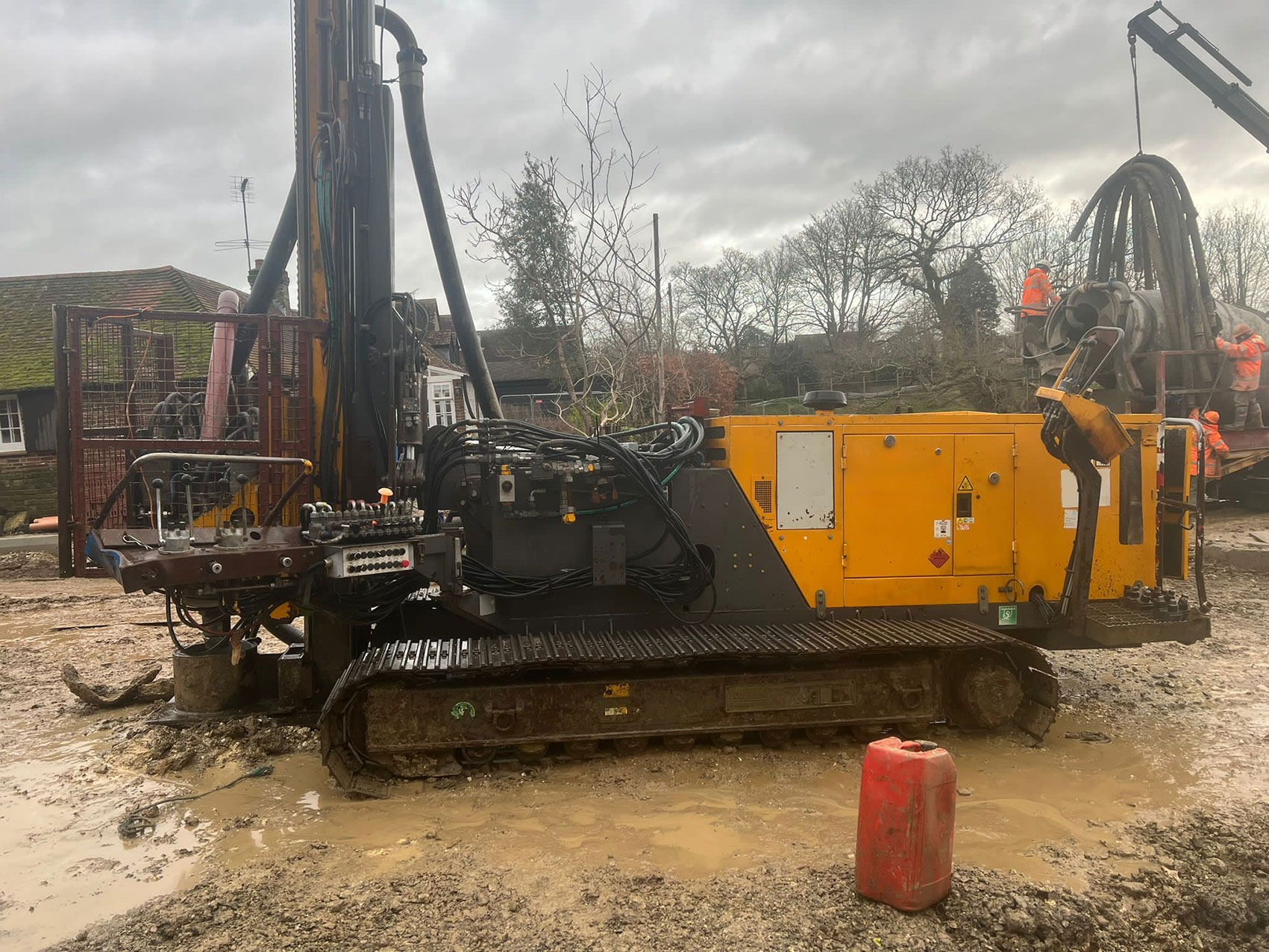
There are many advantages to using small piles, and this method also has some disadvantages.
Advantages of using this method:
Among the most important advantages of the micro-piling method are:
- Ability to be used in small and limited spaces.
- Easily used in densely populated areas because it does not cause noise.
- Despite their small size, they can withstand large loads.
- Adaptability to different soil types according to the specific site conditions.
- Ease of installation, as it involves minimal vibrations before installation.
- Ability to be used with other soil reinforcement methods.
Disadvantages of using this method:
Despite the many advantages of micropiles, they also have some drawbacks:
- It is considered high cost.
- Susceptible to bending or buckling due to their small diameter.
- Requires a trained operator for the micro piling machine.
- Potential for deterioration of the outer casing due to high pressure or incorrect installation.
Cost of Micro Piling in Saudi Arabia

Several factors significantly affect the cost of micro piling in Saudi Arabia, the most important of which are:
- Soil type: The need to increase the number of piles in weak soil may increase, leading to higher costs.
- Environmental nature of the area: Costs may be higher in highly humid or earthquake-prone areas due to the use of durable, moisture-resistant materials.
- Depth of piles: The greater the depth, the higher the cost.
- Materials and tools: The materials and tools used in installing the pile contribute to higher costs.
- The company undertaking the piling: The more experienced the company, the higher the price.
Our company offers special prices with a guarantee of the quality of the service provided. Significant discounts are made when installing mini piles or any type of soil stabilization, depending on the type of soil to be built upon.
Best Micro Piling Companies in Saudi Arabia
WHC company is considered one of the best companies to rely on when needing to install micropiles in the Kingdom of Saudi Arabia, due to its many advantages, the most important of which are:
- Ability to conduct a complete study of the soil at the construction site by a group of specialized engineers and technicians to determine the soil type and the necessary stabilization method.
- Ability to take specific soil samples and analyze them to ascertain the type of stabilization to be used.
- Use of the best modern methods and techniques in soil stabilization to ensure the best results.
- Offering special prices, providing the best services at the lowest prices.
- Ability to deliver all projects on the agreed-upon dates with clients without any delay.
- Excellent customer service that responds to all client inquiries and questions around the clock and sets convenient appointments for them.
Conclusion
Micro piling is one of the best methods used to stabilize weak and loose soil and can be used alone or by integrating it with other methods. WHC company is one of the best companies to rely on when needing soil stabilization due to its team of experts and its use of the best modern tools and equipment in the field of soil stabilization.
FAQs
What is the maximum length of micropiles?
The length of micropiles usually reaches up to 40 m, and their diameter is between 10 to 30 cm.
What is the difference between micro piling and conventional piling?
Micro piling involves piles with a small diameter, making them widely usable in narrow places. Conventional piling requires certain machinery and equipment that necessitate a large area.