
Ground improvement contractors are an essential factor in the success of construction projects, as they undertake steps that help increase soil cohesion and improve its ability to bear heavy loads. This requires consulting specialists to determine the soil type and the procedures suitable for that type of soil. In this article, we will talk about ground improvement contractors and some modern techniques used in ground improvement.
When is ground improvement Done?
Consulting ground improvement contractors is one of the most important things to consider before constructing large projects, especially when these projects are built on weak or loose soil.
Ground improvement significantly helps increase soil density and its load-bearing capacity to increase the lifespan of the structure. Ground improvement also greatly helps in maintaining ground levelness, especially in airports and ports.
It helps reduce moisture that occurs under the structure and leads to increased erosion. Ground improvement should also be used in areas most prone to earthquakes.
Modern Techniques in ground improvement

There are many techniques used by ground improvement contractors, depending on the soil type. Among the most important of these ground improvement methods are:
- Dynamic Compaction: Considered one of the most common techniques used for ground improvement, it involves dropping a heavy weight onto the soil, which densifies its particles.
- Vibro Compaction: This is done using machines that compact the soil by creating vibrations. It can treat soil and can be used at depths of up to 100 feet.
- Geotextiles: These are materials added to the soil to increase its bearing capacity for soft foundations and reduce its settlement underground, which prevents cracks in the ground and thus building collapse.
- Compaction Piles: These are piles, usually made of concrete or wood, that help strengthen the soil to bear heavy loads.
- Thermal Treatment: This involves heating or cooling the soil to make it capable of combating moisture. Therefore, it is used in highly humid places.
- Adding Materials to the Soil: Such as cement and lime. These materials can react significantly with the soil to reduce porosity and increase strength.
- Foam Injection: This is a ground improvement method that does not require deep excavation and is used in weak sandy soil.
Quality and Safety Controls in ground improvement Projects
One of the most important quality controls in ground improvement projects is conducting soil tests before construction operations to understand and define soil properties. This must be done by sufficiently trained technicians in the field of ground improvement. The moisture content, efficiency, and durability must be examined.
It is also necessary to commit to using materials that do not cause any harm to the environment, based on the soil type and depth. Modern data analysis tools must be used to avoid any errors.
Challenges in Saudi Arabia Facing ground improvement Services
There are some challenges facing ground improvement contractors when improving soil in the KSA, especially since the soil in Saudi Arabia is considered fragile sandy soil which leads to an increased occurrence of cracks and fissures, especially in large construction projects. Therefore, the soil must be thoroughly examined before construction. Fragile soil is also prone to collapsed resulting from earthquakes or ground vibrations.
The soil in Saudi Arabia is also characterized by a high salinity percentage, which negatively affects many buildings and leads to their rapid erosion. The soil also contains some types of hard rocks that can affect construction.
Digital Transformation in the ground improvement Sector
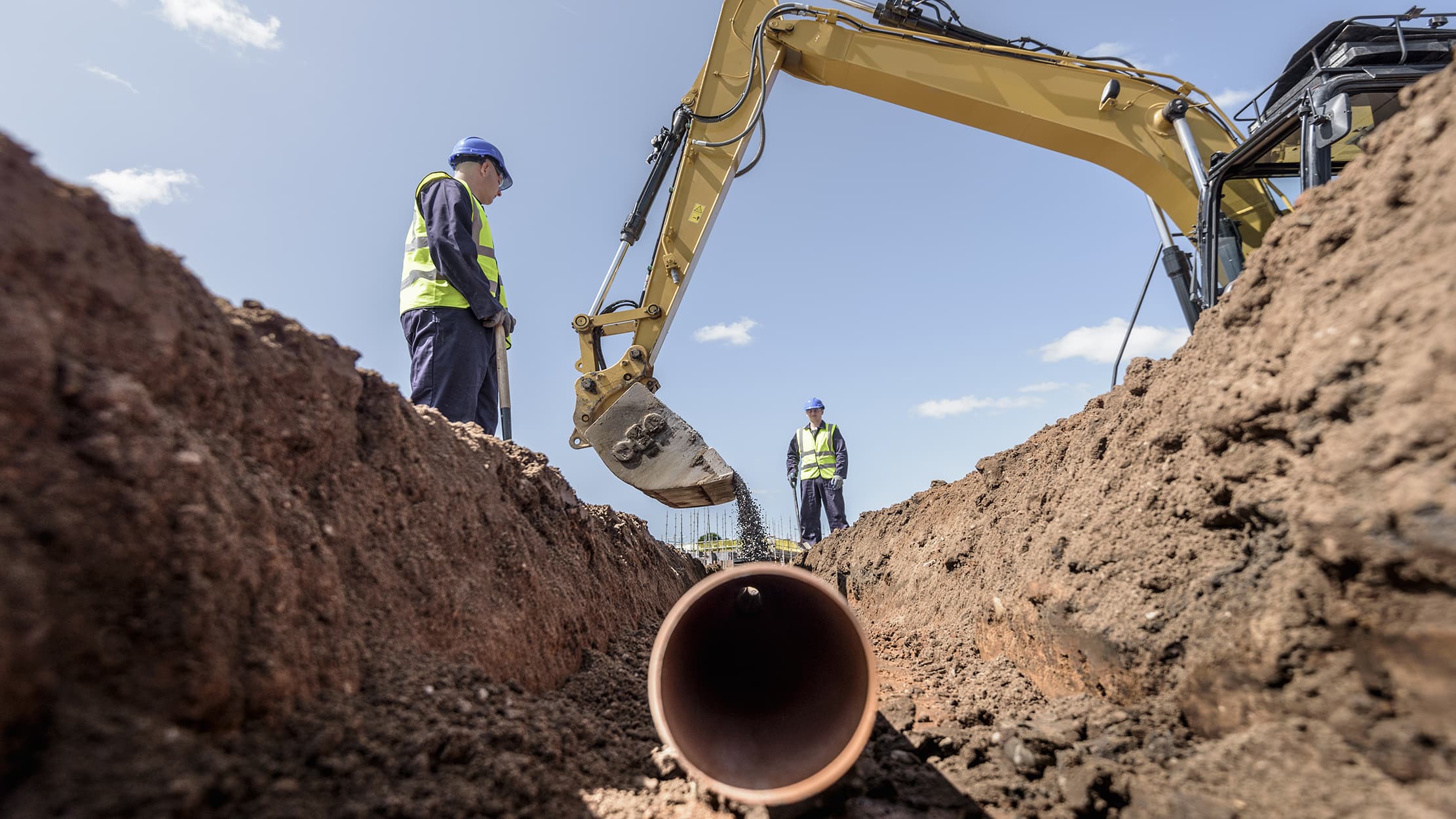
Digital transformation has greatly aided the ground improvement sector, and many modern technologies have emerged for treating weak soil. It has been used in soil analysis to determine the soil type and use the best technique for its improvement by using various devices, both on-site and in laboratories.
Artificial intelligence technologies have significantly helped in designing more efficient solutions for understanding soil types. Many modern methods for treating weak soil have become available, and 3D printers have been used to reinforce soil more efficiently.
The use of modern technologies has become crucial today in many large construction projects in Saudi Arabia. This requires cooperation between engineers and ground improvement contractors to reach the best solution to ensure the construction of a project that lasts for many years without needing maintenance.
Criteria for Selecting the Best ground improvement Contractors
There are some criteria that must be considered when selecting deep foundation contractors. Among the most important of these criteria are:
- A contractor with extensive experience in the field of ground improvement must be consulted to meet all necessary needs.
- It is preferable to consult the contractor along with the engineer to arrive at the best method.
- Check reviews by asking clients who have previously dealt with them or by reading reviews on social media pages.
- Compare prices among several companies to choose the suitable company, taking into account the quality of the service provided.
- The contracting company must adhere to the deadlines agreed upon with the client.
- Adherence to all environmental safety standards to ensure no environmental pollution.
Best ground improvement Contractors

WHC is considered one of the best companies to consult in the field of ground improvement because it has many advantages:
- Use of the best modern tools and techniques in ground improvement engineering.
- Consulting a group of specialists in soil analysis before construction operations to arrive at the best improvement method.
- Excellent customer service that responds to inquiries and questions from all clients around the clock.
- Delivery of all contracts on the date agreed upon with the client.
- Offering special prices commensurate with the quality of the service provided.
FAQs
Which is the main method of ground improvement?
It varies from one region to another depending on the soil type, project size, and specifications. However, various compaction techniques are among the most widely used in many soil types.
What are the chemical methods of ground improvement?
These involve adding certain chemical materials that help change the soil's properties and transform it into strong and cohesive soil, leading to increased strength and durability of the structure. Among the most important are adding lime and cement to the soil.
What is the difference between ground treatment and ground improvement?
Soil treatment involves using certain chemical materials that are added to the soil and completely change its properties. ground improvement, on the other hand, involves physical materials that reduce the spaces between soil particles, leading to increased cohesion.